Teach

Behavioural By Design "LAB"

Becoming a behaviourally-informed team

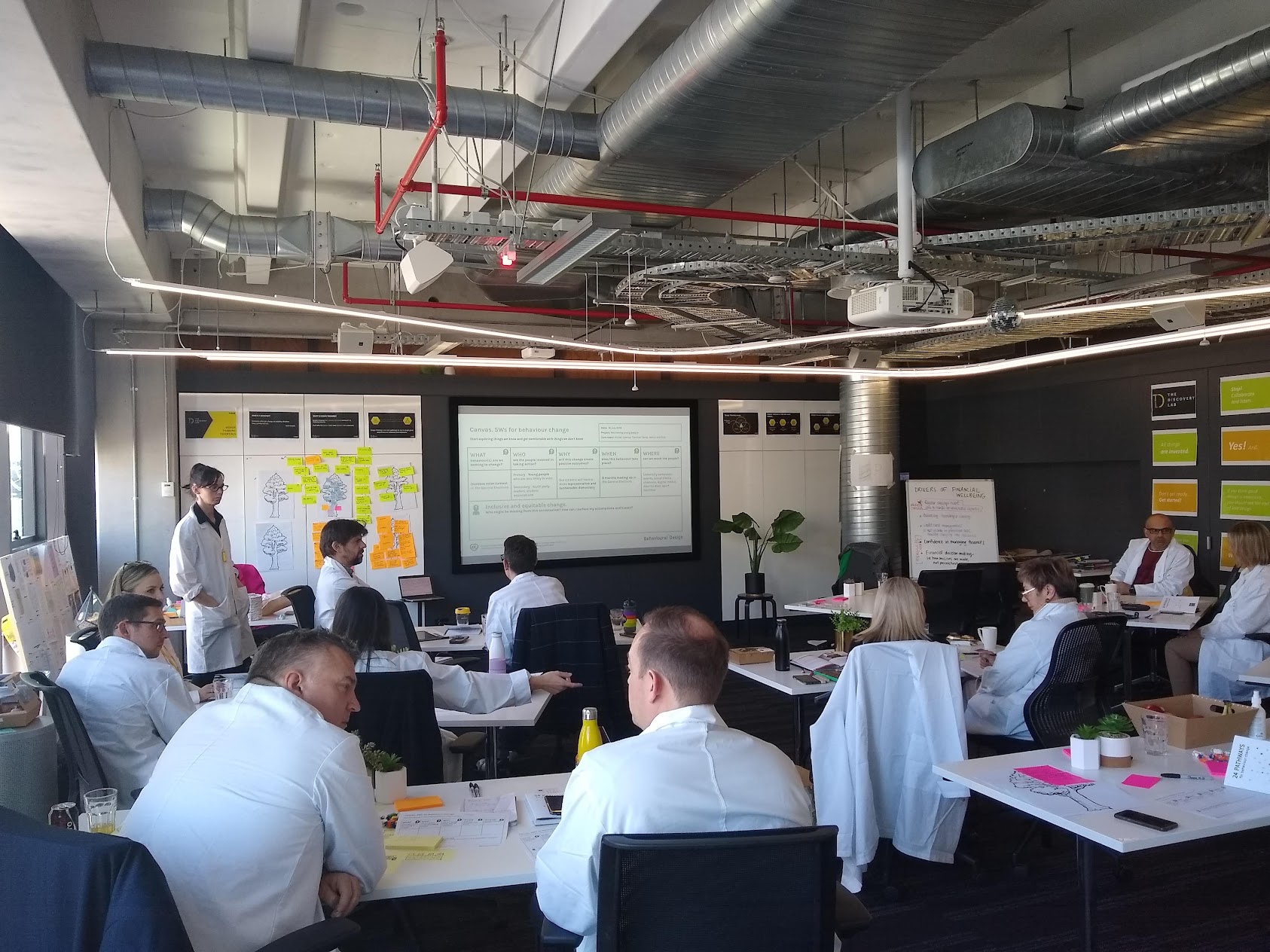
A team in white lab coats around a table, working through a "5Ws" canvas for behaviour change on a screen, with sticky notes and 24 PATHWAYS cards laid out in front of them.

What a lab does

Three things a lab builds

Build capability

Equip teams with tools to generate and test evidence-based ideas for your most pressing challenges

Mindsets of experimentation

Embed curiosity, creativity and innovation into digestible modules to foster this mindset

Psychological Safety

Create a culture with leaders that empowers people to learn and play with behavioural science tools

Are you curious about starting a "lab"?

Let's explore how we can equip your team with behavioural science tools

Vishal George mid-speech holding a microphone, on a plain green background.
Let's explore how we can equip your team with behavioural science tools
Vishal GeorgeChief Behavioural Scientist

Behavioural science tools

Behavioural by Design Toolkit

Roadmap to launch the "lab".

12-week training for teams (suggested 6 to 20 people online or in-person)

Module 1.Explore hidden influences

Surfacing the "hidden influences" on human behaviour

  • Framework for avoiding unintended consequence
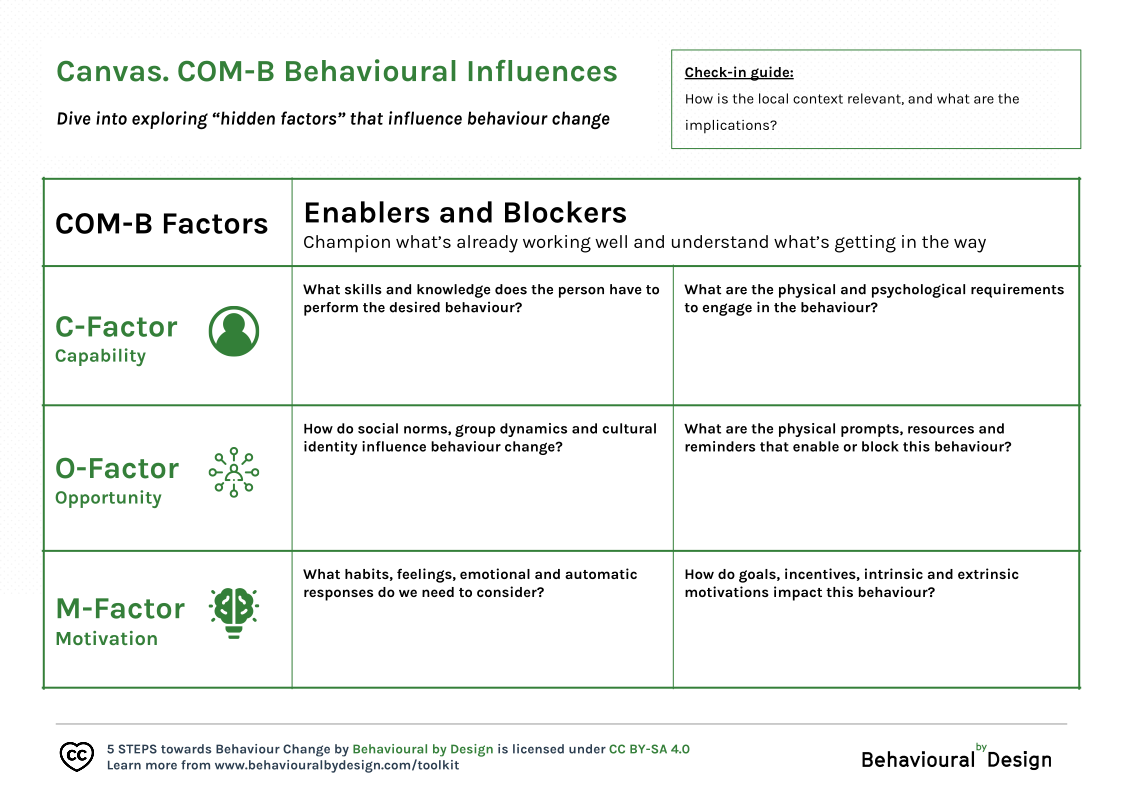
  • Mapping to identify factors influencing behaviour change

Module 2.Identify opportunities

Discovering possible behaviour change opportunities

  • Explore relevant behavioural insights from multiple sources
  • Using the "EAST framework" to define opportunity space

Module 3.Co-create behavioural ideas

Generating more behaviourally-informed ideas

  • Get familiar with the language of behavioural science
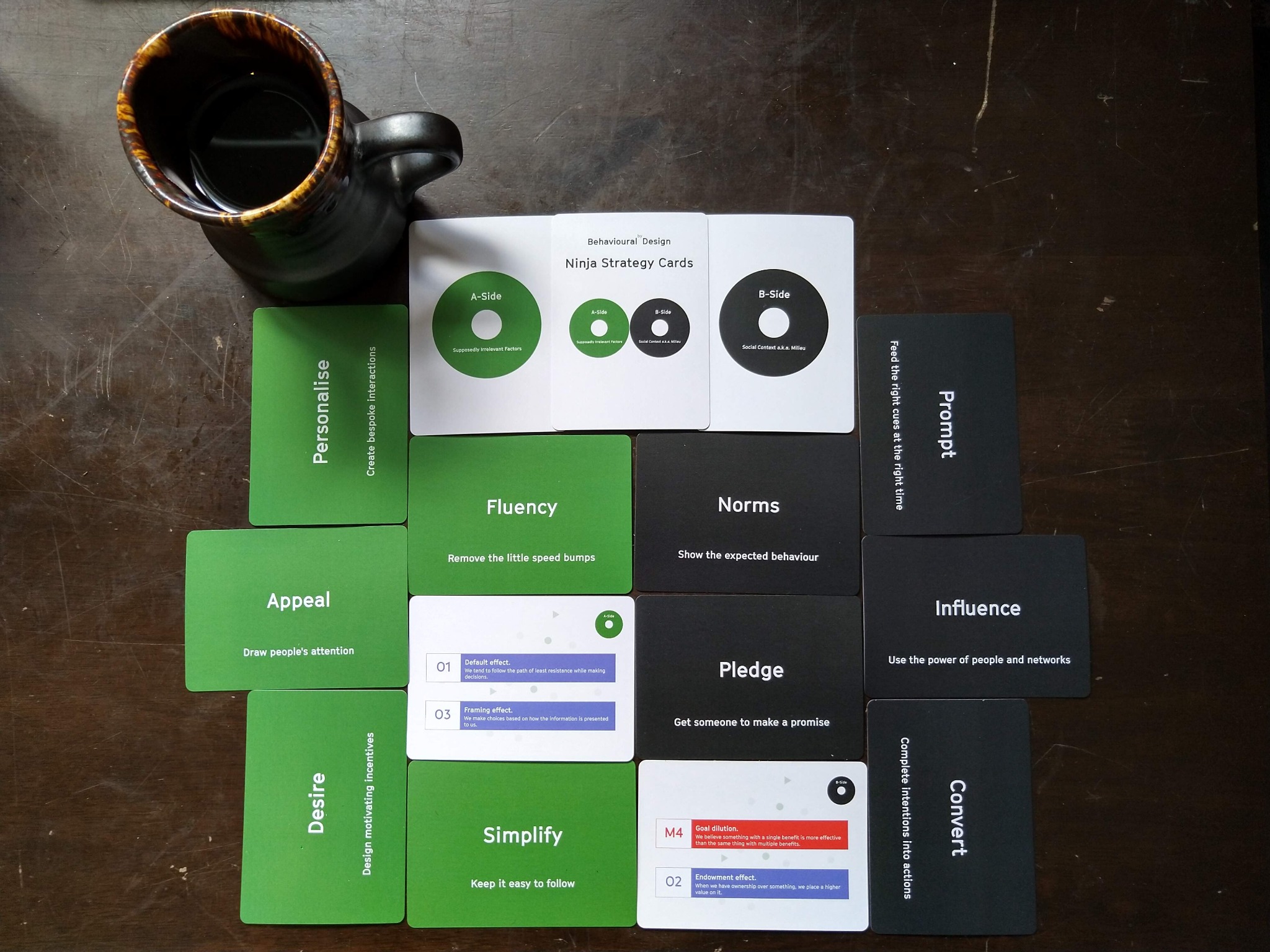
  • Applying our "24 PATHWAYS" cards to generate new ideas

Module 4.Experiment design

Run an experiment to test your ideas

  • Generate hypotheses for behaviour change
  • Tracking metrics that matter with "experiment cards"

Module 5.Incremental innovation

Celebrating the small wins

  • Scale your behavioural innovation for diverse needs
  • Create shared understanding for ethics in applying behavioural science

Module 6.Pause and reflect

Building a culture for "lab" experiments

  • Qualify as a Behavioural by Design Change-Maker in your organisation
  • Reflect on what support systems will enable teams to continue learning and experimenting